Invisible Crime
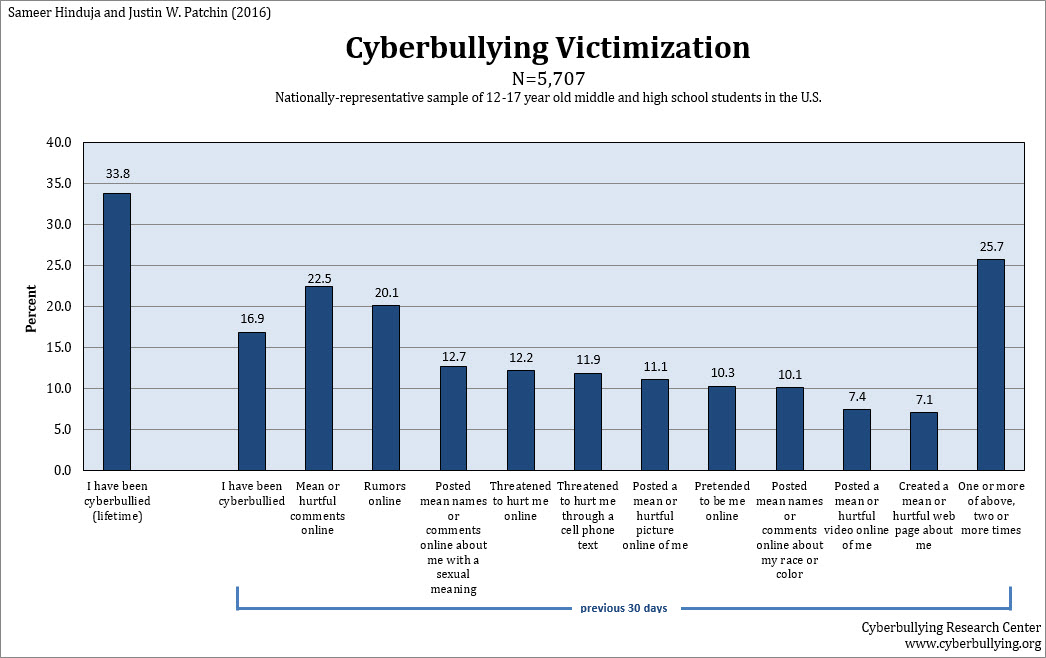
After I read the poetry “Who Killed Soek-Fang Sim?”, I feel that a heavy cloud, standing for invisible bullying, is oppressing my breast, oppressing this network-booming era. If we care about Entertainers, we would know that there are so many superstars, in Korea, Asia, or even around the world, that their death seems like a shock to us. Yes, we must use “seem like” on account of the fact that everyone knows them or even their fans might be the causation for their death. Why do I say this? As a matter of fact, I saw lots of news saying that rumors are fatal to them, especially someone famous. Enduring no reasonable rumors becomes a price to be famous. To be more specific, culture diversity would cause rumors; stereotype image would cause rumors; in another word, we can say everything that a group of people think it’s right, by using morality of themselves to weight others, would be fetal to others. Besides, all spectators who observe these faults but ignore them play a role as helping these people to create rumors and kill others. These spectators are the potential accomplice to these innocents. At the expense of others death, people begin to realize that whether we need to set some due process for these kind of cyberbullying or rumor-violence. It’s a good news, as well as a tragedy for this era.
I can’t help expressing my thoughts to the current situation after reading this depressive and powerful poetry. Back to the poetry, Soek-Fang Sim and the author for the poetry faced the same miserable condition. Instead of cyber-violation, they suffered from rumors and inequality in reality. Because of others shortsighted views, Soek-Fang Sim and the author’s colleagues think White man always have the higher hierarchy so that Soek-Fang Sim and the author are discriminated. Simply due to their yellow, black, or brown color, Promotion became not their business; efforts and progresses are ignored or denied by the college. The poetry acts like an apologetic letter to Soek-Fang Sim, apologizing the author’s ignorance to what others did discriminately to Soek-Fang Sim. It also functions as educating others to bravely stand out and fight for anything injustice and support the ones being treated unequally, instead of requesting large amounts of attorney fee and letting “justice become a cover for lies” (W.P., Who Killed Soek-Fang Sim?). We shouldn’t let these injustice take up our lives in every corner of the world, let alone college. To answer the title "Who Killed Soek-Fang Sim?", I would say that's an invisible force of crime spreading over crowds. Everyone who are unfriendly to the group of people like Soek-Fang Sim are the murderer.
Question: do we have a group of attorney who fight for discriminated people for free now?
Reference: Valverde, Kieu-Linh Caroline, and Wei Ming Dariotis. Fight the Tower: Asian American Women Scholars Resistance and Renewal in the Academy. Rutgers University Press, 2020.

No comments:
Post a Comment