Before reading Eliza Noh's “Unpacking the Master’s Plan: Asian American Women Resisting the Language of Academic Imperialism," I did not realize how important it was to have ethnic studies classes. I was among those people who took an ethnic studies class to fulfill my GE credits. In my opinion, GE classes were a waste of my time in my schedule because I could be focusing on my major classes. I was wrong to think that I would not be getting anything out of my GE classes and apply it in the real world. The reading has opened my eyes to the corporatization which is the universities. Ethnic studies fundings are usually the first to be cut. It is preposterous to promote and promise diversity on campus, but deem ethnic studies to be unimportant. It never occurred to me that GE classes were more than just shaping students for post graduation. Professors who teach ethnic studies get a majority of enrollment from students fulfilling their GE requirements. It makes absolutely no sense for a university to say that fundings for a department is based on performance, while data showed that students in ethnic studies majors performed better than non ethnic studies majors. I was also surprised to learn that the Asian American Studies department was just created at CSUF not so long ago. Coming to college, I was only focused on achieving my career goal, and not realizing that the system is unjust. I am more woke about neoliberalism and how I will become a "future worker[s] ready to plug into the labor market like cogs in a machine." Without even realizing it, I am submitting to the the institution. It is important that people expose the university for its wrongdoings because the time to resist is now. Why is ethnic studies not viewed equally as other majors in society?
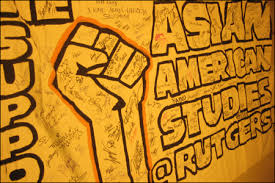
source:
http://blog.angryasianman.com/2011/02/petition-for-asian-american-studies-at.html
References
Noh, Eliza. (2020). Fight the tower: Asian American women scholars resistance and renewal in the academy, “Unpacking the Master’s Plan: Asian American Women Resisting the Language ofAcademic Imperialism". New Brunswick, NJ: Rutgers University Press.

No comments:
Post a Comment