Tiffany Le
ASA02 A02
Blog #4
8 October 2015
Reading: “ADHD is best understood as a cultural construct” by Sami Timimi and Eric Taylor
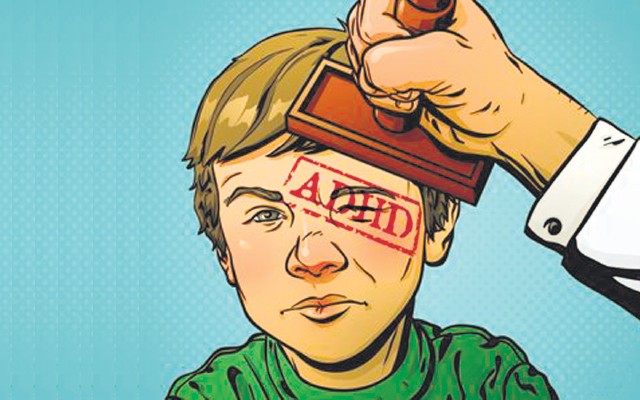
Timimi and Taylor address the inconsistencies with medical testing of ADHD, and doctors did not find abnormalities in the brains of children with ADHD. The studies revealed that people of different cultures classified ADHD symptoms differently. Providing a similar and interesting perspective on disorders like ADHD, anxiety, and more, Thomas Armstrong wrote The Power of Neurodiversity: Unleashing the Advantages of Your Differently Wired Brain that discusses how characteristics of certain disorders may have been valuable throughout various periods of time and highlights the positive aspects of these conditions. For example, people with anxiety are more sensitive to possible threats such as bears and lions that could have increased a person’s survival in the past. When the threat of predators diminished, anxiety became a less useful tool and became a disorder in society’s view. This concept could be applied to ADHD. Alternatively, academic pressure could increase diagnoses of ADHD; today, kindergartners in the US spend many hours sitting in a classroom compared to kindergartners in Finland who spend most of the day playing. Should children be sitting at their desks all day and could this contribute to the increase in diagnoses of ADHD in the US? I do not intend to minimize the seriousness of these conditions but only to provide a cultural perspective; norms are dependent on culture and deviance from these norms are considered disordered.

No comments:
Post a Comment