Saturday, November 4, 2017

Angie Zhang - Week 7

Angie Zhang
Section A01
Week 7

One thing the article “The Coddling of the American Mind” by Greg Lukianoff and Jonathan Haidt mentions that I thought was interesting is the issue of trigger warnings and the effects of microaggression, which is a statement or action regarded as an instance of indirect or subtle discrimination against members of marginalized or minority groups. Many students on campuses often unintentionally use offensive language when communicating with others, such as jokingly using racial slurs or other inappropriate language when talking to their friends. However, what they fail to realize is that this can be a trigger for others who have had unpleasant experiences with those subjects, such as discrimination. This would result in those bystanders feeling victimized and extremely uncomfortable due to being reminded of unpleasant memories of their prior experiences. I feel as though this article was very eye opening as it sheds light to an issue that many people may not be aware of. To be honest, I had never really thought about how my insensitivity about the way I act or the things I say, regardless if it was unintentional or meant to be a joke, can affect other students so severely. Therefore, this article made me realize that it is extremely important for people to be cautious about what they should and should not do or say in specific settings because it can act as a trigger for other students who are more sensitive to that particular subject. This article also claims that one way of fighting this issue is not by shielding students from specific ideas and words that might cause them emotional distress. Instead, this article argues that students should be exposed to such views. Lukianoff and Haidt offers several solutions to this issue, such as abandoning restrictive speech codes and talking more openly about such values. However, I feel as though this would be difficult and tedious as many students are nevertheless affected by this due to their past trauma, which leads to my question...


Question:
Is there a better alternative to the solution suggested in the article? How can campuses enforce verbal harassment without it clashing with freedom of speech? (That is, how do campuses determine when such conducts crosses the line to create a rather hostile environment that allow them to take disciplinary action?)

References:

Lukianoff, G., & Haidt, J. (2015). “The Coddling of the Asian American Mind.” The Atlantic, Atlantic Media Company. Retrieved November 3, 2017.

Dozier, C. (2015). [Digital Image]. Retrieved November 3, 2017, from http://www.campusanswers.com/assets/Uploads/_resampled/ResizedImage355297-campus-microaggressions.jpg

Week 7: Amylynn Nguyen

Amylynn Nguyen
ASA 02 A02
11/1/17

In Robby Cohen’s article, “Berkeley Free Speech Movement: Paving the Way for Campus Activism”, the author discusses the protests that occurred on the Berkeley campus during the early 1960s. Cohen describes how the students were protesting against the school for their freedom of speech and the right of political activism. The Berkeley students effectively utilized the non violent protest tactics that were seen during the Civil Rights Movement in their own movement. In the end, the students and the school came to an agreement to discuss their rights. Cohen notes that that Berkeley Free Speech Movement served as a precursor to other protests such as the anti Vietnam War protests. The movement in Berkeley showed the young adults of America that it is possible, and their given right, to protest. The Berkeley protests serving as a foundation for future protests reminds me of the first wave of Southeast Asians that immigrated to the United States during the war. During lecture, Professor Valverde talked about how these immigrants were immersed into American society without any help from previous generations. This first generation served as a precursor to the following waves of Southeast Asian immigrants, much like the Berkeley Protests and future student protests.

Question: Do you believe that the University fully supports the student's’ right to freedom of speech?


Resources:

1) Cohen, R. (1985, April). Berkeley Free Speech Movement: Paving the way for student activism. Organization of American Historians, 1(1), 16-18.

2) Klein, R. W. (n.d.). [Mario Savio, leader of the Berkeley Free Speech Movement, speaks to assembled students on the campus at the University of California, Berkeley, on Dec. 7, 1964.]. Retrieved from http://www.npr.org/2014/10/05/353849567/when-political-speech-was-banned-at-berkeley

Friday, November 3, 2017

Week 7 - Sabrina Gomez A01

Sabrina Gomez
A01
Week 7
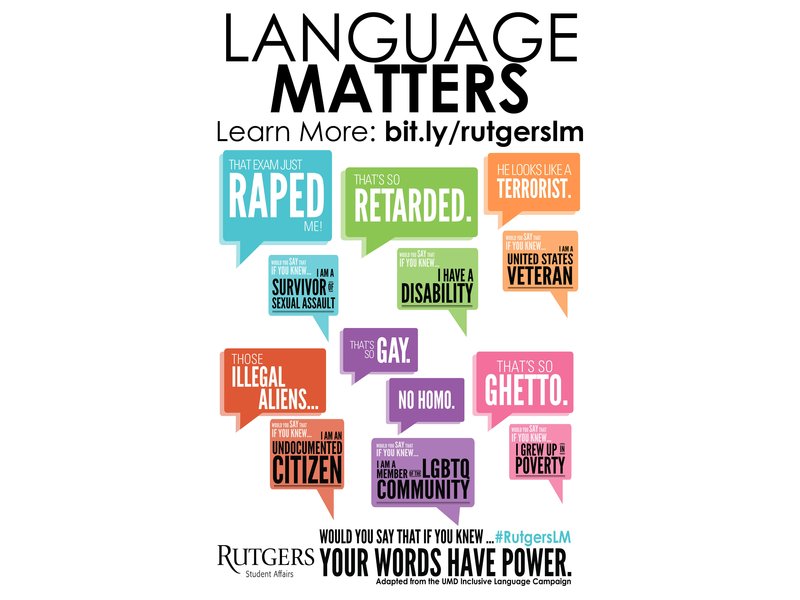
This week upon reading "How Trigger Warnings Are Hurting Mental Health on Campus", I learned more about a topic I was slightly familiar with.  As a university student I am familiar with trigger warnings and using sensitive language when around others in most settings. At a leadership retreat last year, I participated in a workshop where we were told more about trigger warnings and how using words such as "rape" or "kill" in a social setting may be extremely triggering towards others even when it was not intended by the speaker. These were all suggestions that were known to myself and my peers already however there were some words I did not previously know could potentially be triggering towards others. Words such as "crazy" were pointed out to be possibly triggering and we were encouraged to use synonymous words such as "wild" instead. In the article, when Meyers discussed microaggressions, I felt the familiarity of the concept because I had done the workshop previously. I definitely agree that students in the university setting should be cognizant of their words and actions at all times and the article's discussion on microaggressions definitely affirmed this. Although, I had previously had not known that microaggressions could come in the form of questions such as where one is originally from which can appear as a suggestion to some. Although all of these different perspectives of triggering language may take some time to gain a world wide recognition and practice overall, I do believe it is a good thing that the movement has started. I appreciate and agree with how the articles discusses the importance of teaching students "how to think" as oppose to "what to think" because it goes very well with teaching the dangers of triggering language. If more students can empathize with the other side, the more it will encourage them to use safe and inclusive language in their everyday interactions. 


Question: All of the different approaches towards inclusive and non-triggering language may be difficult for some to apply to themselves, that being said is this movement turning off some individuals due to its difference and do some see it as tedious? 

References

1) Meyers, A. B. (n.d.). How Trigger Warnings Are Hurting Mental Health on Campus . The Atlantic.

2) "Language Maatters". Rutgers Student Affairs. Retrieved November 3rd, 2017. [Digital Image] https://patch.com/new-jersey/newbrunswick/why-language-matters-campaign-raises-awareness-rutgers

Week 7 Toby Lee A03

Toby Lee Section A03 Week 7

This week’s reading written by Robby Cohen, “Berkeley Free Speech Movement: Paving the way for campus activism” talks about a time in fall of 1964 where students of UC Berkeley practiced a more silent approach to protesting. What that means is that students conducted a sit-in approach to protesting as opposed to violent riots against university officials. What all of these students are fighting for is the freedom of speech, where many individuals have fought for and have failed. Is our country truly a free country that allows us to say anything? Do we have no restrictions as to what comes out of our mouth? This reading made me realize that we do not have complete freedom. There are certain things we can say but we can get in trouble. Certain things that come out of our mouths can elicit a negative response from other individuals. Yes, we are free to say certain things, but what we say can indeed cause some backlash. Freedom is always limited and I believe that is necessary because regulations is what makes a country more well structured.

Question: What is it that we can do to acquire more freedom?  

Image result for freedom

Cohen , R. (2012). Berkeley Free Speech Movement: Paving the way for Campus Activism . 16-18.

Freedom. (n.d.). Retrieved November 3, 2017, from imhillpsychotherapy.com/wp-content/uploads/2016/09/What-Would-You-Do-With-Your-Freedom.jpg

Thursday, November 2, 2017

Week 7 - Chelsea Reyes A02

Reading the article done about the Berkeley strikes in the 1960s was very inspiring and commendable. Within the article they mentioned how amazing it felt for students to be able to create such change even though they are so young. Their fight for free speech was not easy, and these students had various run ins with police and administration at the university.  Berkeley is fairly close to Davis so it gives off this feeling of solidarity with those students who paved the way for other universities to be daring and voice their opinions through non-violent protest tactics. It really makes you think about today, and how without the Berkeley Free Speech Movement, students in university would not be able to freely express themselves without administration or authorities coming to shut them down. When reading the article, I couldn’t help but to think back to when students were doing sit ins to remove Katehi from her office. I personally knew people who took part in this sit ins and protests of Katehi and its amazing how their acts of free speech was able to force her to step down from her office. This just goes to show that you don’t need violence or force to make a difference. This also makes one look back at the infamous pepper spray incident. If those Berkeley students saw or were to have seen what had happened to the students in Davis, it would be interesting to see their reaction or how they would have approached the situation.  


Question: What would be other ways that students could express their beliefs and concerns, other than protests and sit ins?


References:

Chong, E. (2017, March). [Digital image]. Retrieved November 2, 2017, from https://i1.wp.com/utdmercury.com/wp-content/uploads/2017/03/freedom-of-speech-opinion-piece.jpg?resize=740%2C459

Cohen, R. (1985). Berkeley Free Speech Movement: Paving the way for campus activism. OAH Magazine of History, 1(1), 16-18. doi:10.1093/maghis/1.1.16

Week 7: Noelani Pastor

Noelani Pastor
Section A01
Week 7

In "Berkeley Free Speech Movement: Paving the way for student activism" by Robby Cohen, the article goes in depth about a student led campus rebellion that started in the fall of 1964. This all started when university officials told students they couldn't raise money or distribute literature on campus for the civil rights movement or any other off-campus political cause. This prompted the students to fight back and fight for what they believed in which was the start of the Berkeley Free Speech Movement. After students denied the officials directions, they decided to continue with they actions because they felt as if it was an attempt to undermine the growing involvement of students in the civil right movement. On the first of October, UC Berkeley's dean headed over with campus police and had the intention to evict a student who was in charge of one of the tables that were set up. When they began to arrest him, the other students sat around the police car so that it couldn't leave and they began chanting "Take us all!" repeatedly. After thanksgiving break, the free speech movement leaders all received letters from administration charging them with violating university regulations and ordering them to appear before a campus disciplinary committee. On the second day of December, the students held another sit-in which lasted two days. In the end, on December 8th, the Academic Senate declared that "the content of speech or advocacy should not be restricted by the university." The students celebrated their victory and were happy that their actions made a difference. While reading this article, I was very intrigued. It was interesting to hear about what these students have gone through to achieve their goal of getting free speech. They've been through a lot but in the end it was definitely worth it. This movement has changed the way of UC Berkeley and it probably has inspired other university students around the world and showing them that it doesn't hurt to try and speak up for what they believe in. 

Question: Did this particular movement prompt any other students from different universities to start their own movements or protests?


References:

1) Cohen, R. (1985, April). Berkeley Free Speech Movement: Paving the way for student activism. Organization of American Historians, 1(1), 16-18.

2) Klein, R. W. (n.d.). [Mario Savio, leader of the Berkeley Free Speech Movement, speaks to assembled students on the campus at the University of California, Berkeley, on Dec. 7, 1964.]. Retrieved from http://www.npr.org/2014/10/05/353849567/when-political-speech-was-banned-at-berkeley

Wednesday, November 1, 2017

Week 7- Cory Takiguchi

Cory Takiguchi
ASA 03
Week 7


The article “Berkeley Free Speech Movement: Paving the way for campus activism” by Robby Cohen discusses the trials and tribulations of students standing up to campus administration. Jack Weinberg led a team of fellow student activists to fight Berkeley’s policy of no campus political activity. Weinberg’s non violent tactics, such as rallies and sit ins, sparked support within the Berkeley student body and forced the administration to listen to his group’s concerns. I believe nonviolent protests are a great form of student activism. Nobody is hurt, the group is able to voice their concerns in a sensible manner, and the administration should be open to their ideas. However, it is important to be mindful of others. I remember reading an article this summer about the protests for Trump’s immigration executive order. Protesters blocked the streets at LAX which caused many travelers to miss their flight. Although I love the idea of performing non violent protests, the personal agendas of those being affected should be respected. A passenger may have missed their one chance to visit a dying family member because the protest interfered with their flight schedule. Just like how protesters should be respectful to administration, the administration should return the favor to the activists. The administration should have an open mind and think, “well since these students are so passionate about this issue, maybe we should be doing something different.” If the protests are performed in a respect manner, the administration has no reason remove them through violent tactics. I can understand the use of aggressive tactics if the protest lasts for an excessive amount of time and disturbs others, but violent tactics should be considered a last resort. Peaceful forms of student activism are a great way to draw attention to an issue that a university’s administration may have overlooked.

 Have you seen forms of student activism on UC Davis’ campus? What were the protests about? What tactics did they use to convey their message?


 Cohen, Robby. (2012, June 1). Berkeley Free Speech Movement: Paving the way for campus activism. Organization of American Historians. Retrieved November 1, 2017 from http://www.jstor.org/stable/25162448?origin=JSTOR-pdf

 Complex News. (2017, June 30). ESPN’s Sage Steele Blasted for Criticisng LAX Airport Protesters. [Video File]. Retrieved November 1, 2017 from https://youtu.be/PlMDdExpLF0